Getting Started with Swing Dance Evenings
Everything beginners need to know about swing dance venues, dress codes, and what to expect on your first evening.
Read MoreA regional guide to finding authentic blues performances, from Dublin’s legendary venues to intimate sessions in smaller towns.
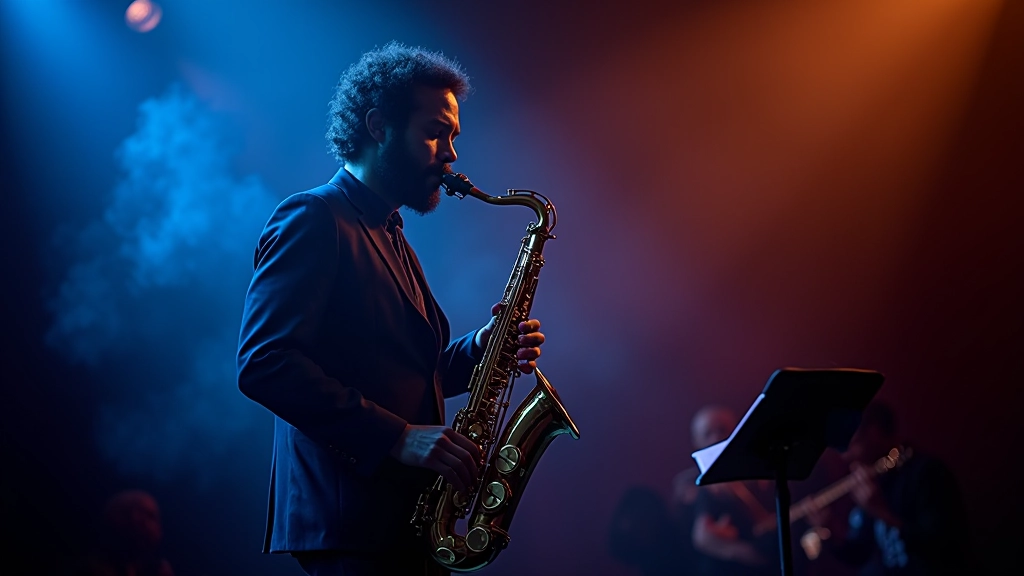
Ireland’s blues nights aren’t just about the music — they’re about community. Whether you’re 45 or 65, you’ll find spaces where people gather to hear genuine performances, share stories, and experience something real. The country’s blues venues range from cozy Dublin pubs to converted barns in rural counties, each with its own character and devoted following.
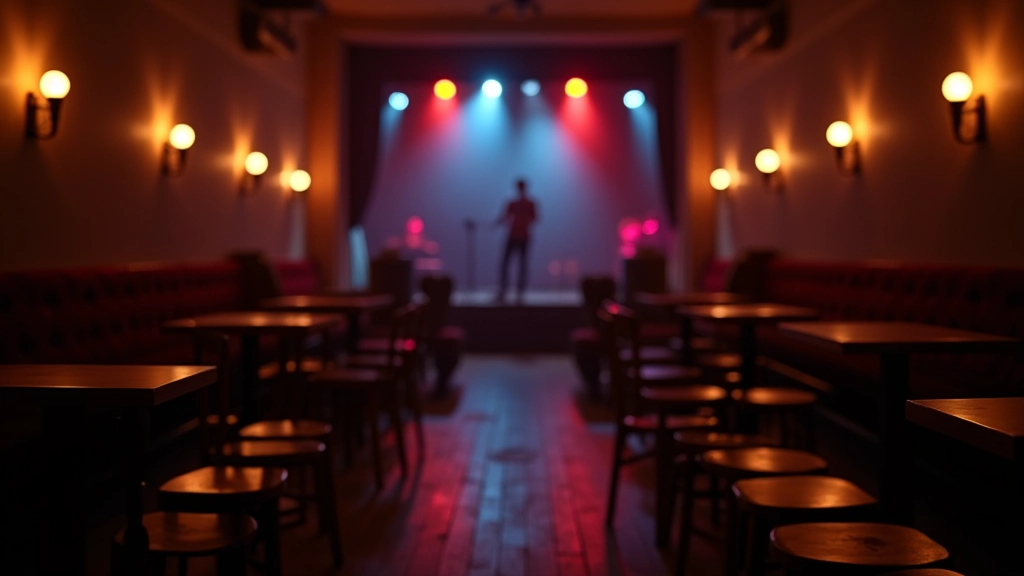
What makes Irish blues nights special is the intimacy. You’re not sitting in a massive concert hall. Instead, you’re in a room where the musician can see your face, where the acoustics feel personal, and where the audience actually listens rather than just existing in the background. This guide will help you discover the best venues across different regions.
Dublin hosts the most consistent blues nights in Ireland. Temple Bar area gets crowded with tourists, but if you venture slightly north or south, you’ll find real venues where locals actually go. The city’s blues scene centers around 6-8 key venues that feature live music 4-5 nights per week during peak season.
O’Donoghue’s in Merrion Row has hosted blues acts since the 1990s. The room’s got decent acoustics — you can actually hear the singer’s voice without it getting lost in the crowd noise. Most nights feature either visiting American blues artists or Ireland’s own talented performers. Thursday through Saturday draws bigger crowds, but Wednesdays often offer a more relaxed vibe if you prefer intimate settings.
The Cobblestone in Smithfield is another reliable option. This venue’s got a basement stage that actually feels atmospheric rather than dingy. They’ve built a reputation for booking serious blues musicians, not just anyone with a guitar. Sets typically run 90 minutes with a break in between. Doors open around 8 PM, music starts around 9.
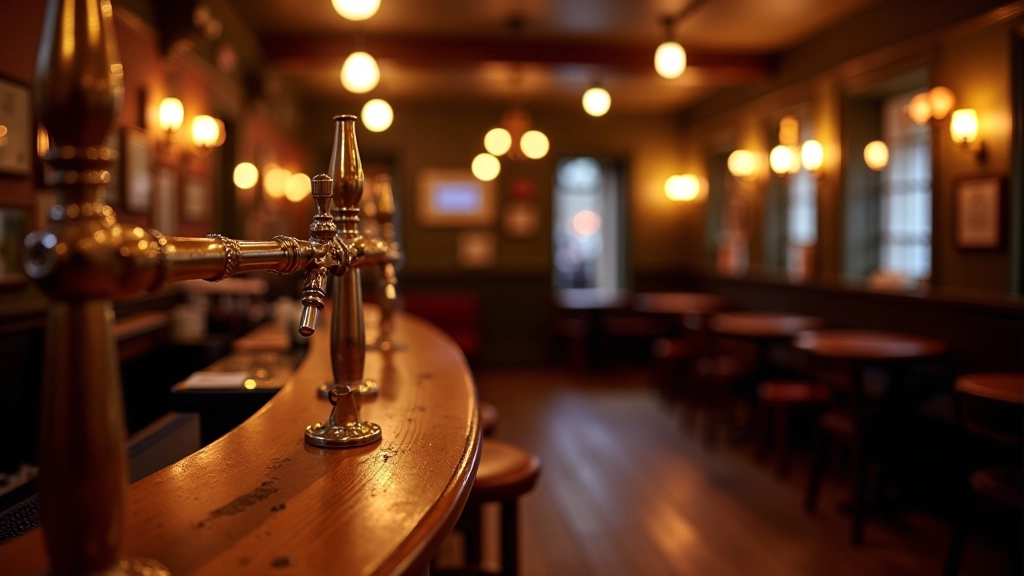
Cork’s blues nights have grown significantly over the past 5 years. The city now hosts monthly blues festivals and regular weekly sessions. Venues like The Mutton Lane Inn and Sin É have become known for featuring serious blues acts. What you’ll notice in Cork is that audiences are smaller but more engaged — people actually come to listen rather than just have background noise while drinking.
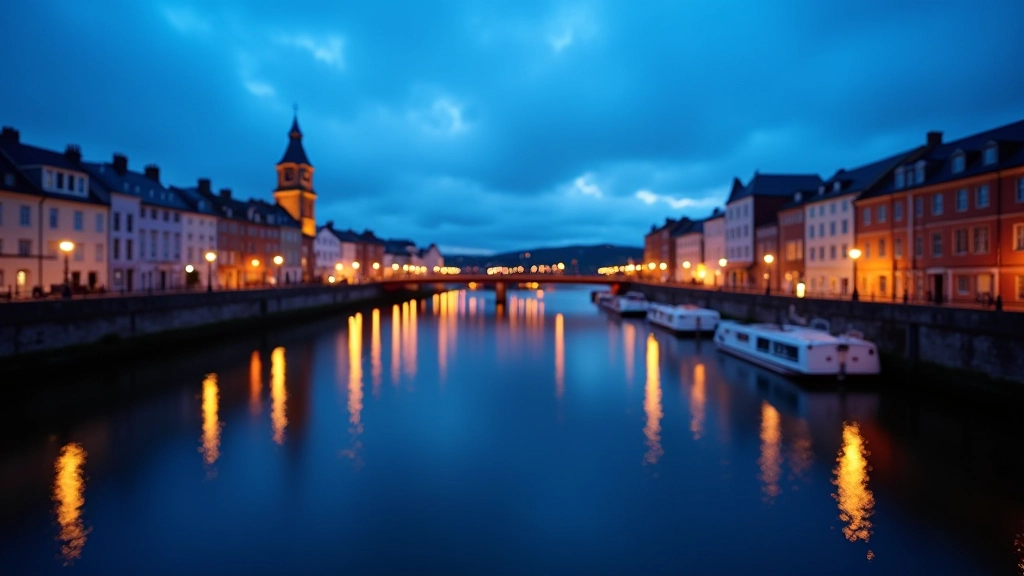
Galway’s got a different energy than Dublin. The city attracts creative types, and that influences what happens in the venues. Tig Coili and other traditional music spots will occasionally feature blues acts, especially during Galway’s arts festivals. The audiences tend to be younger and more experimental, so you’ll hear blues mixed with folk and other genres. It’s less purist but genuinely vibrant.
Belfast’s blues scene is smaller but growing. Venues like The Limelight and Voodoo have started booking regular blues acts. What’s interesting about Belfast is that you’ll find a real mix — American touring blues musicians alongside Northern Irish performers who’ve developed serious chops. The crowds are knowledgeable and supportive, making it a great place to discover emerging artists.
Most Irish blues venues don’t have reserved seating. You’ll want to arrive 30-45 minutes before the posted start time if you want a decent spot near the stage. That also gives you time to order a drink and settle in without feeling rushed. Music rarely starts exactly on time — expect 10-15 minutes of buffer. Doors typically open between 7 and 8 PM depending on the venue.
Public transport works reasonably well in Dublin and Cork. If you’re visiting a smaller town, check parking situations ahead of time. Many venues have limited parking or charge. Taxis and ride-sharing are available in bigger cities, but they can get pricey after 11 PM when demand peaks.
Blues venues in Ireland range from casual pubs where music is secondary to dedicated music spaces. Casual pubs usually have cheaper drinks but noisier crowds. Dedicated music venues cost slightly more for entry (5-15) but offer better sound quality and more serious audiences. Most venues have a bar order system — you’ll get a drink ticket or pay cash.
Don’t expect club-style production. You’re getting authentic blues, which means simpler setups. That’s actually the appeal — there’s nowhere for the musician to hide. Either they’re good or they’re not, and in most Irish venues, they’re genuinely talented.
Most venues don’t require advance booking. Walk-ins are welcome. However, for touring American blues artists or special events, checking ahead online is smart — some venues do sell out. Dublin venues post their schedules on Facebook and their websites.
Drinks cost 5-8 for beer or soft drinks at most venues. There’s no drink minimum, but venues appreciate when you purchase something. It’s not an aggressive sales environment — people genuinely just come to listen sometimes. A coffee costs about the same as a beer.
Irish audiences at blues nights are generally respectful. Talking during performances is discouraged — you’ll get polite looks if you’re too loud. Phone use is frowned upon. The culture is one of genuine listening, which makes for a much better experience than venues where music is just background noise.
Summer brings more touring acts but also more tourist crowds. Winter can be quieter but offers a more local atmosphere. Spring and autumn are sweet spots — decent weather, good crowds, and established artists returning from touring. Check local listings for special blues festivals throughout the year.
Ireland’s blues nights represent something increasingly rare — spaces where people gather specifically to listen and connect over music. Whether you’re exploring Dublin’s established venues or discovering a hidden gem in a smaller town, you’re joining a community of people who value authenticity over spectacle.
Start with one venue that appeals to you. Go on a night when you don’t have obligations the next morning. Arrive early, order a drink, and settle in. You’ll likely see familiar faces returning — these venues build regular audiences. That’s where the real magic happens, in the conversation between musician and audience that develops over months and years.
The best blues nights aren’t the ones with the biggest names or fanciest production. They’re the ones where the music matters more than anything else, and where you feel part of something genuine. Ireland’s got plenty of those.

This guide is based on general information about blues venues across Ireland as of March 2026. Venue hours, performers, and availability change frequently. We recommend checking individual venue websites or calling ahead before planning your visit. Some venues may have restricted access during certain periods or may require advance booking for special events. Admission prices and drink costs are approximate and subject to change. Always confirm current details directly with the venue.