
Getting Started with Swing Dance Evenings
Everything beginners need to know about swing dance venues, dress codes, and what to expect at your first event.
Read moreIreland’s finest chamber orchestras, concert series, and classical music venues — a guide to finding performances in your region
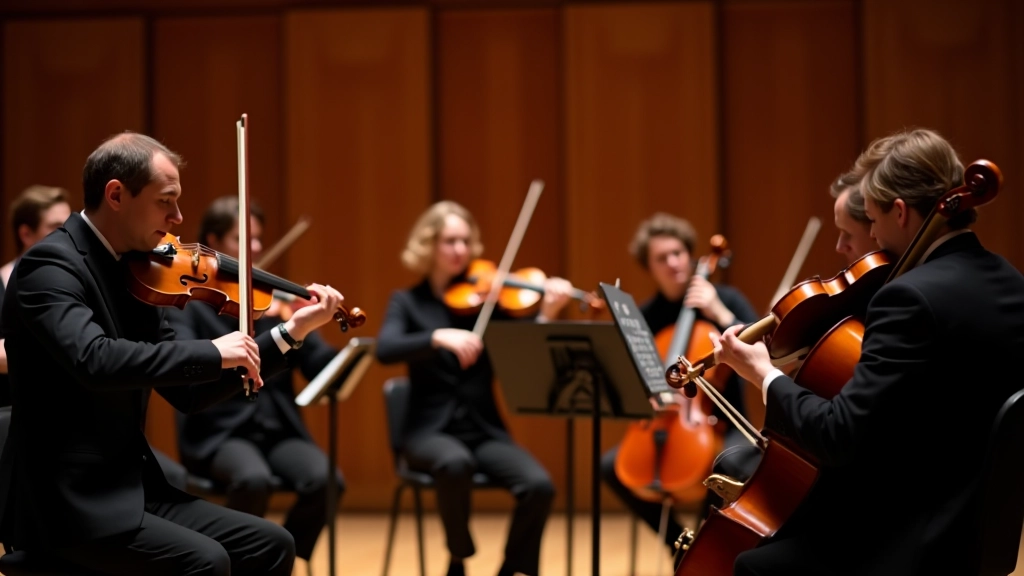
Chamber orchestras aren’t stuffy classical throwbacks — they’re living, breathing ensembles that bring intimacy to complex music. In Ireland, these groups have created something special: accessible classical performances in venues that actually feel welcoming. Whether you’re 45 or 65, you’ll find performances that range from baroque masterworks to contemporary pieces written in the last few years.
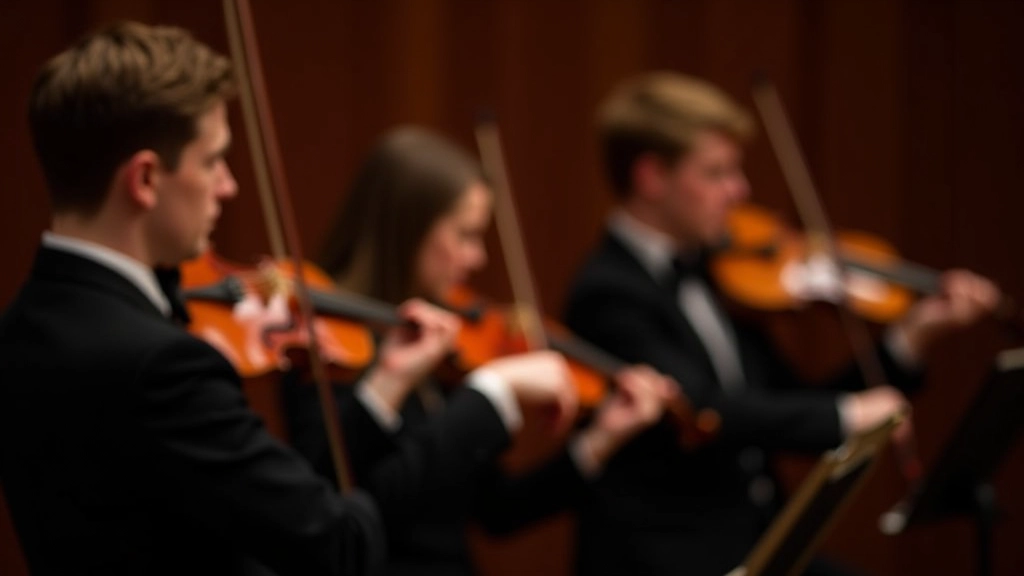
The beauty of chamber orchestras is that they’re smaller than full symphonies but still powerful. You’re watching maybe 12-20 musicians instead of 80, which means you can actually see the individual players, hear the conversations between instruments, and feel the energy in the room. It’s real music-making, not just background ambiance.
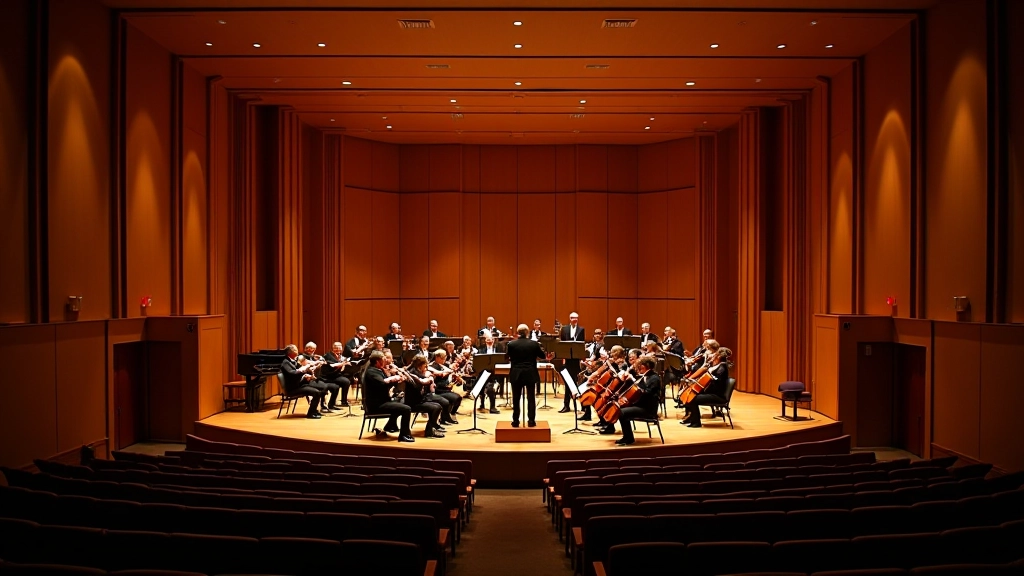
Where chamber orchestras perform most frequently
The main hub for classical music in Ireland. They host regular chamber series throughout the year — usually Friday evenings and Sunday afternoons. The acoustics are genuinely excellent, and there’s a real sense of occasion without being pretentious.
Key series: RTE Concert Orchestra chamber concerts, Dublin Philharmonic Society performances
Cork’s premier classical venue, featuring the Waterford-based Camerata Ireland ensemble regularly. They’ve created a dedicated audience base that shows up reliably, which tells you something about the quality of performances. The venue itself is intimate without feeling cramped.
Key series: Camerata Ireland season, Cork Philharmonic Society
A gem if you’re in the southeast. Waterford hosts Camerata Ireland regularly, plus visiting ensembles. The venue has beautiful Victorian architecture and you’ll actually get to know the other regulars — there’s real community here.
Key series: Camerata Ireland performances, visiting international ensembles
Don’t overlook smaller galleries and arts centers. Crawford hosts chamber performances in a completely different atmosphere — more like visiting an art collector’s home than attending a formal concert. Perfect if you want something more intimate.
Key series: Gallery lunchtime concerts, evening chamber performances
These groups form the backbone of Ireland’s chamber music scene. Each has its own character and repertoire focus:

Most chamber orchestras follow a traditional season running September through May, with a summer break. This is actually perfect timing — you’ll find the best performances during autumn and winter months when the main concert season is active.
Tickets typically range from 15-35 depending on the venue and ensemble. Don’t expect expensive exclusivity here. Most chamber performances are genuinely affordable because the groups care more about building audiences than maximizing revenue. Plus, many venues offer subscription packages — if you attend 4-5 concerts per season, subscriptions work out significantly cheaper.
The trick is to plan ahead. Check the National Concert Hall’s website in August when they release their autumn season. Same with Cork Opera House and other major venues. Sign up for their mailing lists — they’ll send you the schedule and you can pick your performances based on repertoire. Like Beethoven string quartets? Or you’re more interested in 20th-century works? Most venues list the program clearly so you’re not guessing what you’re getting.
Chamber orchestra repertoire explained
You’ll hear this constantly. It’s the sweet spot for chamber music — elegant, structured, but with genuine emotion underneath. Mozart’s serenades and Haydn’s symphonies were actually written for chamber orchestras originally. They’re accessible without being simplistic.
Rich, emotional works that benefit from the intimacy of chamber performance. Brahms especially — his symphonies arranged for chamber groups hit differently when you’re in a smaller venue hearing every orchestral color distinctly.
Modern chamber orchestras commission new works regularly. Don’t shy away from contemporary pieces — they’re often more accessible than you’d expect, and supporting living composers keeps classical music alive and evolving.
Getting the most from your chamber orchestra experience:

Start with the National Concert Hall website or your regional venue. Look for a program that interests you — don’t overthink it. Pick something with a composer you’ve heard of, buy a ticket, and go. That’s genuinely how most people fall in love with chamber music. One concert leads to another, and suddenly you’re checking the season schedule like it’s your job.
Chamber orchestra performances aren’t some exclusive club. They’re just excellent live music in a room with other people who enjoy excellent live music. You’ll fit right in.
Disclaimer: This guide provides informational content about chamber orchestras and classical music venues in Ireland as of March 2026. Concert schedules, venues, and ensembles change seasonally. Always check official venue websites for current performance dates, ticket availability, and venue information before planning your visit. Contact information and programs may have been updated since publication. This content is educational in nature and intended to help readers discover classical music resources in their region.